
Rethinking Public Services Around Relocation
Future of Moving was a strategic design exploration into how relocation can become a simpler, more transparent experience across authorities.
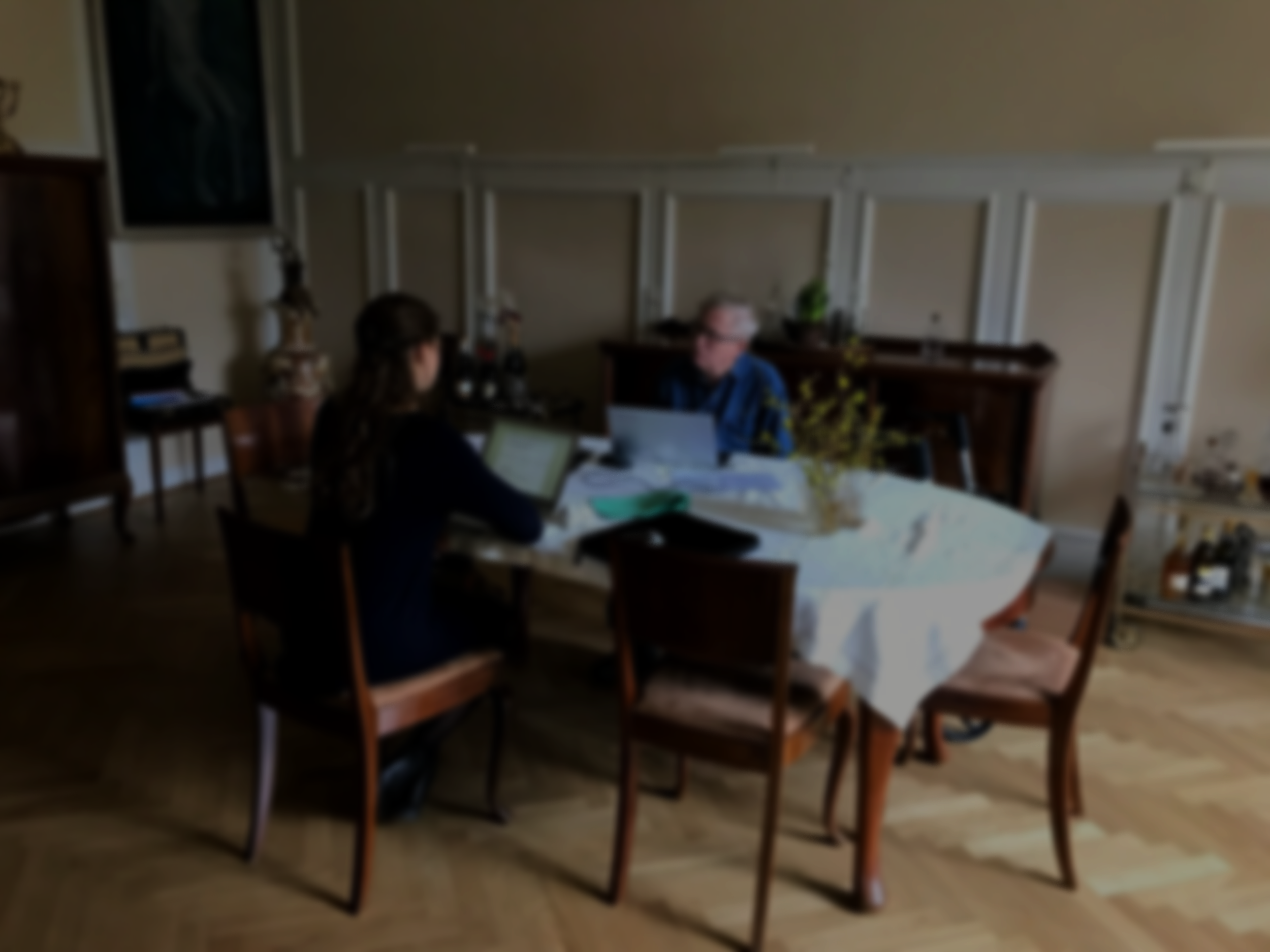
Through ethnographic research and cross-agency mapping, we uncovered how fragmented processes and unclear responsibilities create stress for citizens in transition. The work reframed moving as a connected life event — not a set of isolated administrative tasks — and defined principles for how the public sector can support citizens with proactive, data-driven, and human-centered services. I led the user insight and framing work that grounded the vision in real-life experiences and system realities.

Lack of Overview — Understanding the Citizen Experience
Moving between homes is one of the most stressful moments in citizens’ lives — not because of the move itself, but because of the lack of overview. Dozens of systems, rules, and touchpoints across authorities make it unclear who to contact, what to do first, and what happens if something goes wrong. Our research showed that citizens often feel lost in the transition, piecing together information from multiple sources and hoping they’ve done things correctly. The insight map and journey framework visualized these blind spots, revealing how uncertainty and fragmentation define the moving experience.
Output: Insight map and citizen journey framework

Complex Language — Communication That Excludes
The communication citizens encounter during a move often compounds their confusion. Letters and digital messages from public authorities are written in dense, technical language that assumes insider knowledge of administrative terms and processes. Instead of guiding people, the system leaves them decoding legal phrasing and guessing what action is expected. Our linguistic analysis translated this into measurable readability issues and led to a set of principles for clearer, more human public communication.
Output: Linguistic analysis and readability principles

Bridging the Gap — From Insights to Actionable Solutions
Based on these findings, we designed a set of concrete features to address the main pain points. This included a unified moving timeline that visualized what to do and when, contextual explanations that translated administrative language into plain speech, and proactive notifications that coordinated actions across agencies. These prototypes demonstrated how the framework could guide future solutions — turning a fragmented bureaucratic process into a coherent, human-centered experience.
Output: Prototypes and design framework for coordinated communication

Client: Digitaliseringsstyrelsen (Danish Agency for Digital Government)
Role: Lead Design Researcher (Designit)
Year: 2017
Overview
Moving home is one of the most complex transitions in people’s lives — and yet public services often fail to support that reality. As part of Denmark’s 2016–2020 Digital Strategy, this project aimed to rethink how the state could support citizens navigating change across authorities, systems, and responsibilities.
Key insights
Citizens don’t just move their address — they rebuild their lives.
Lack of overview is the most widespread pain point across all age and income groups.
People don’t understand the system — because the system doesn’t understand them.
Success depends not on motivation, but on knowing the rules and timelines.
Public communication is alienating, inconsistent, and hard to act on — especially in stress.
Trust is eroded when systems fail to provide feedback, consistency, or space for collaboration.
Strategic direction
We conducted deep qualitative research with first-time movers, families, and pensioners. Through journey mapping and co-creation, we developed new experience principles for public-sector digital services — emphasizing timing, tone, transparency, and coordination. We prototyped future-state flows and concepts to support a smoother, more humane experience of moving.
Impact
Our insights and frameworks were used to guide the development of more coherent cross-agency digital solutions — and helped shift the conversation from individual “self-service pain” to collective service responsibility. The work seeded future improvements in the Digital Post system and broader cross-agency platforms.


